Baccarat patterns can make a hand feel predictable, but do they really improve a player’s chances? In Australian land-based casinos, pattern histories are useful for understanding the table’s rhythm, not forecasting its next result. Every round remains independent, so chasing a “streak” can quickly become expensive. The practical value lies in recording, comparing and reviewing results while keeping decisions grounded in a budget.
For experienced floor supervisors, the distinction is plain: patterns describe what happened; they do not explain why. That judgement matters when evaluating interfaces, local rules, currencies and player safeguards.
What baccarat pattern histories actually show

A pattern history records recent outcomes as sequences such as streets, columns, zigzags or alternating results. On a well-designed screen, the information should be easy to scan without crowding the main betting area. Australian players should also be able to identify the table rules, minimum and maximum stakes, commission arrangements and currency before placing a wager.
For example, an eight-sided “EZ Baccarat” table in Brisbane may offer a $5 minimum and $500 maximum, with a 5% commission on banker bets. A nearby “Punto Banco” table could have a different limit and payout structure. Labelling these details clearly helps players compare conditions instead of assuming every baccarat layout works identically.
Patterns can reveal useful descriptive features. A long run of banker wins might suggest that a player feels due for a reversal; a frequent alternating sequence might encourage another alternating bet. Neither inference changes the odds of the next round. The mathematically sound conclusion is that a pattern does not create a predictable edge.
That is also why I treat apparent “signals” sceptically on the floor. A history table can make a random sequence look designed. Players may then increase stakes after an unusual run, particularly when the table is busy and the atmosphere feels persuasive. Good record-keeping supports discipline, but it is not a substitute for it.
How to read and test baccarat patterns responsibly
Beginners often benefit from treating a pattern history as a visual notebook rather than a forecasting tool.
Step one: confirm the table conditions. Find the minimum stake, maximum stake, commission, payout treatment and currency. At a Queensland venue, ask the dealer or consult the table placard if any rule is unclear.
Step two: choose one pattern format. Stick with streets, columns or another layout rather than combining several systems. This keeps the record simple and prevents the illusion that every method points in the same direction.
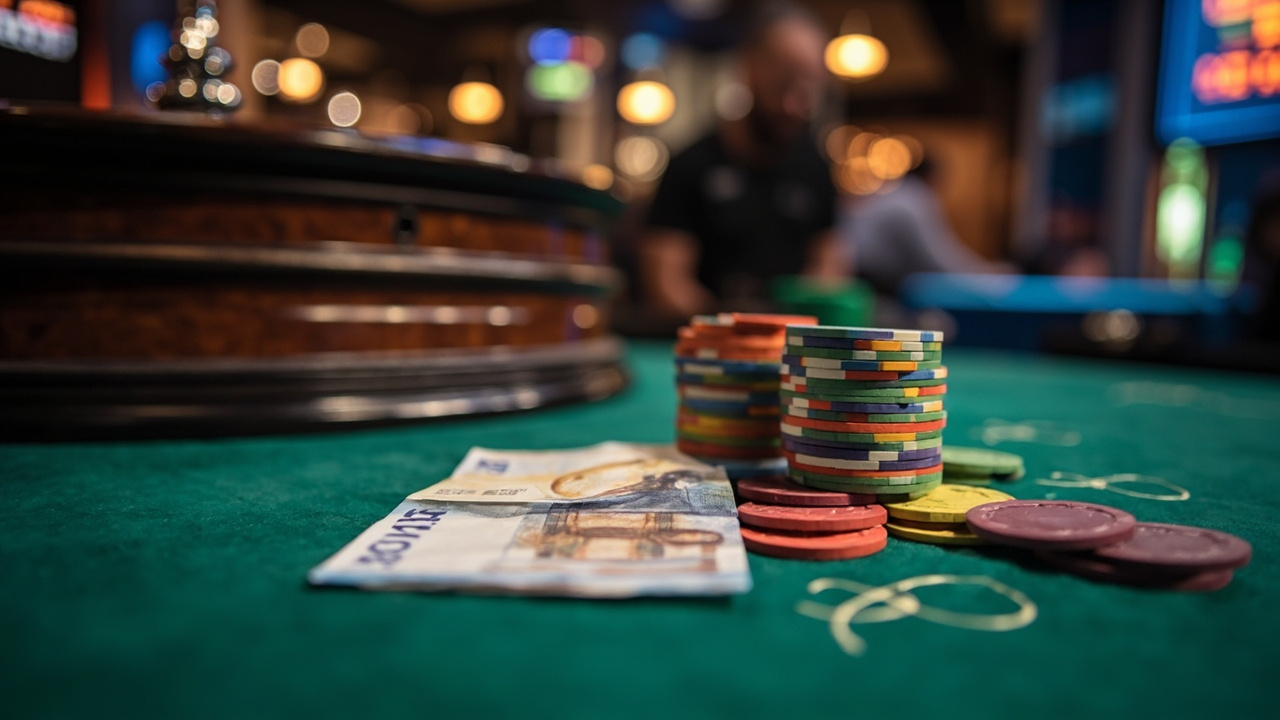
Step three: record the outcome. Note each result in order and mark your intended stake before betting. If the pattern changes, leave the recording method unchanged.
Step four: compare samples. Review a defined number of rounds, such as 30, then assess how the sequence appeared. Do not treat a short streak as proof of a repeatable trend.
Step five: set a firm loss limit. A $20 session limit on a $5 minimum table permits four losing minimum bets, after which play should stop. Increase that limit only if it was planned beforehand, never to recover a loss.
Step six: assess the interface. The history should be readable, the bet buttons clearly labelled and the account balance visible. Players comparing device displays can find broader guidance in reading betting patterns and player behaviour, although poker tells and baccarat histories are different tools.
“A pattern can improve your notes, but it cannot improve the mathematics of the next deal.” – Isla McKenzie, Affiliate Partnerships Director, Nullarbor Gaming Analytics
Pattern-chasing becomes particularly risky when a player believes a “system” has been validated by one session. A run of losses after a win does not disprove the mathematics, just as an earlier win does not prove the method. Longer samples may reveal useful table-level tendencies, but they do not make the next outcome certain.
Evaluating baccarat interfaces for Australian players
For an Australian audience, a baccarat interface should make local conditions obvious before the first wager. Currency should be shown in Australian dollars, stakes should use familiar increments and the screen should explain whether the table charges commission on banker bets. Search and navigation should let a player locate a specific table or rule set without digging through unexplained icons.
A strong example might be the Sunland Baccarat Room at a licensed Queensland casino. Its in-room terminals display AUD, five-centred betting increments and clear side-bet warnings. Mobile access can complement the floor by showing live tables, availability and account balances, but it should not obscure the underlying rules or encourage impulsive repeat bets.
This priority also reflects how I train new dealers and floor teams: presentation matters because clear information reduces mistaken assumptions. If a player cannot tell whether a $10 bet includes a $1 commission, the visual design has failed, regardless of how attractive the pattern chart appears.
The following table separates the pattern’s observable content from the conclusions it cannot justify.
| Feature | What a player can observe | What it cannot guarantee |
| Street history | Recent winning or losing results | The next result |
| Column history | Where recent results appeared | A persistent column bias |
| Zigzag or road | A visual sequence or alternating pattern | A reversal due to occur |
| Banker/player run | Consecutive outcomes of one side | A banker or player advantage |
| My-system indicator | Whether a chosen staking method would have finished up or down | Better future performance |
Responsible interfaces also provide useful account controls. Session reminders, stake limits, reality checks and accessible support turn a pattern tracker into a controlled record rather than a prompt to escalate. Since baccarat can involve rapid decisions, pause functions and visible session totals deserve more attention than decorative animations.
Compare that approach with the promotional focus of a genghis khan pokie machine: casino entertainment often uses strong visual identity to attract attention. Baccarat interfaces need the same clarity, but their job is different. They should expose rules, balances and limits – not manufacture urgency around a historical sequence.
Which players might find pattern tracking useful?
Pattern histories can suit players who enjoy analysing sequences, documenting results and comparing table conditions. They may make the slower-paced decision between hands more engaging, especially at a regional Queensland venue such as the Gold Coast’s Coral Baccarat Club, where the history screen is positioned beside the main betting area.
They are less suitable for players who tend to chase losses, misunderstand streaks or treat a visual chart as certainty. A clear pattern may actually encourage overconfidence if the next result fails to follow it. Limited bankroll, impulsive staking and emotional recovery are stronger reasons to skip pattern tracking than choosing a particular road.
No genuine expert should present pattern analysis as a reliable winning method, regardless of how polished the software looks.
“The best interface does not sell a story the maths cannot support.” – Mia Harris, Commercial Director, Southern Reef Gaming
A sensible player might use one history format, record thirty rounds and evaluate the experience without increasing stakes because the sequence appears favourable. At a $10 table, keeping the same amount on every round preserves comparability; doubling after losses does not. Such a process may provide useful personal data, but its value comes from controlled behaviour rather than predictive power.
Support should remain accessible through the venue floor team, responsible gaming services and account controls. Local signage around payment methods, identification requirements and venue rules also matters. Players must complete all age and identity checks, and offshore websites should never be described as licensed or regulated in Australia.
For a practical trial at the Coral Baccarat Club:
- Set a session limit and a time reminder.
- Check the table’s AUD limits, commission and payout rules.
- Record one pattern format for a fixed sample.
- Keep stake sizes consistent during the review.
- Stop when the limit is reached, regardless of the displayed pattern.
A clearer way to use baccarat histories
Baccarat patterns do help players organise observations, compare tables and make their own behaviour more transparent. They do not provide a dependable advantage or make the next hand predictable. The strongest Australian casino experience prioritises clear AUD information, readable navigation, obvious rules, responsive support and responsible gaming controls.
“A useful pattern history supports a disciplined decision; it never replaces one.” – Isla Henderson, Strategy Director, Gold Coast Gaming Network
Use patterns as a record, keep the budget firm and judge the interface by whether it informs rather than persuades. That is the difference between informed observation and chasing a sequence that was never guaranteed to continue.