Walk into any gaming venue in Sydney and your senses go into overdrive within seconds. Casino design tricks explained properly show why this happens, from the carpet patterns that confuse your eyes to the air-circulation rumours that refuse to die. Having scaled multilingual service operations from a handful to thousands, I learnt that ambient cues drive customer behaviour. I reckon the smartest players learn the room before the room learns their wallet. Here is what the floor is actually doing to you, and how to keep the upper hand.
What the Room Does Before You Place Your Bet
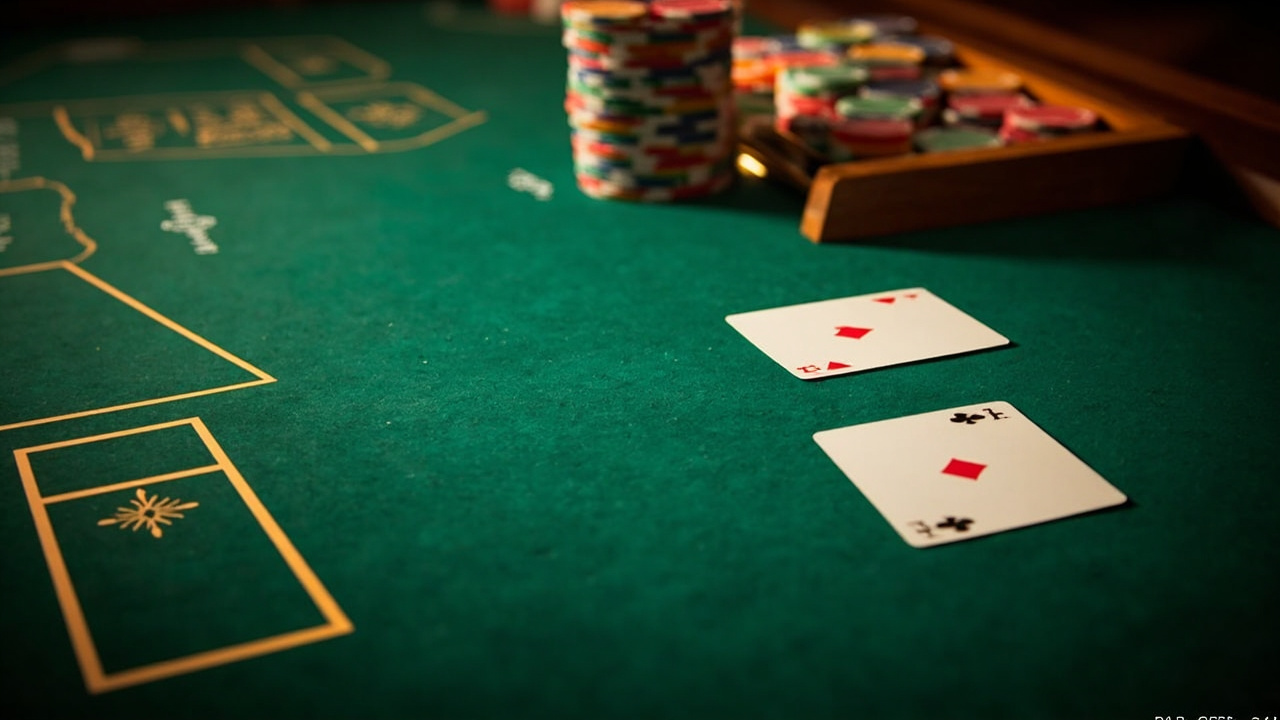
The carpet in Crown Sydney is no accident. Patterns designed to keep your eyes up mean the prize returns on the signage overhead get noticed. Combine that with low ceilings near entryways and no visible clocks or windows, and the gaming floor becomes a closed feedback loop. Online venues apply the same logic digitally: a colour-heavy lobby, hidden session timers, and reward animations. In the offshore channel, this matters even more, which is why operators such as need-for-spincasino.com spend serious budget on these touches.
Sound design does the heavy lifting. A winning chime here, a coin cascade there, even when the payout is smaller than your last tram fare home from Barangaroo. The brain does not register the size of the win, only that something happened. Slot machines, sometimes called the crack cocaine of gambling for their intense engagement, sit at the ends of aisles where foot traffic naturally slows: near the lifts, the bar, the toilets. Every pinch point is a placement opportunity.
Lighting follows the same logic. Bright, warm pools over the tables invite lingering; dimmer pockets around the slots reduce visual fatigue so the screen stays the focal point. Even the air feels managed, though the oxygen myth has been thoroughly debunked. What is real is the ventilation, which keeps you comfortable enough to forget how long you have been standing there. In my CX work, comfort was a conversion tool, and casinos understand this better than most.
The Trick Menu: From Layout to Loyalty
Floor Plan, Mazes, and the Skinner Box
The maze layout is the oldest trick in the catalogue. Honestly, venues engineer for aggregate behaviour, not individuals. By arranging gaming areas so visitors pass the maximum number of tables and machines en route to the cashier, bar, or the bathrooms, they turn every journey into a fresh temptation. Mirrored columns and reflective ceiling panels double the appearance of activity on a busy Friday arvo. Casino design is engineered for controlled friction, not calm throughput.
The near-miss is another pillar. Modern pokies are programmed to show two jackpot symbols and a third just one position off far more often than chance would dictate. The brain reads this as almost winning, more reinforcing than an outright loss. Add variable-ratio rewards, and you have a Skinner box at adult scale. Blackjack, played with perfect basic strategy, carries one of the lowest house edges in any casino game, but the floor makes tables feel scarce and machines feel everywhere.
Sound, Colour, and the Loyalty Loop
Colour psychology gets thrown around a lot, but the red and gold palette across most Australian venues is no accident. Red stimulates appetite and lifts heart rate slightly; gold signals premium and luxury. The house edge stays the same, but the emotional tenor of the room changes. Online lobbies copy the palette with bold reds and golds on dark backdrops, optimised for mobile and desktop alike. Free-spin offers often land in the first sixty seconds after sign-up to lower your defences.
Then there is the loyalty loop. Every tap of your card or sign-in collects session length, average bet, and game preference. In my CX work, I would have called this behavioural segmentation. The casino version turns it into free meals, discounted rooms, and birthday offers, all in AUD. Support runs 24/7 because the venue wants you back whenever you wobble. The comp is rarely worth more than a fraction of what you spent earning it, but the perception of being a VIP is the real product. Cashless wagering, now standard across the country, removes the friction of counting money and nudges you toward longer sessions.

Playing Smarter Once You Know the Game
Knowing the tricks does not make games winnable, but it does change how you behave. Set a hard budget in dollars, not credits, and leave the loyalty card in your pocket for a short session. The data the card gathers is more valuable to the venue than the free drink it might earn you. Time on device is what venues optimise for; make it yours.
If you prefer tables, blackjack with disciplined basic strategy remains one of the few games where the house edge is genuinely small, usually under one percent. Slots are paid entertainment, and a small deposit limit is the only thing stopping the floor extending your stay. For online players, the same rules of engagement apply, which is why entry-defined formats like Australian freeroll tournaments appeal to anyone who wants a clear start and finish to their session. Sessions with a clear finish line beat sessions that drift.
A few practical checks before you walk in: pick the venue based on licence and payout transparency, not carpet design. Walk the whole layout during your first visit so the maze loses its power. Take a break every hour, because the design is working on you whether you notice it or not. And if you find yourself unable to leave after a planned stop, that is the trick working exactly as designed.
No surprises here, as venue design is doing exactly what it was built to do. Honestly, the floor does not care about you specifically; it cares about everyone in aggregate. Walk in expecting a quick session, and you will probably get one. Wander in without a budget, and the floor will gladly design your evening for you. The right fit is a curious adult who treats the venue as paid entertainment, not a side hustle. Learn the tricks, and the clock stays yours.
Quick glossary before you go:
- House edge: The mathematical advantage the venue holds over the player on any given bet, expressed as a percentage.
- Near-miss: A spin outcome that looks close to a jackpot but falls just short, deliberately programmed to keep players engaged.
- Variable-ratio rewards: A payout schedule where wins arrive after an unpredictable number of plays, the same reinforcement loop used in lab experiments.
- Basic strategy: The mathematically optimal decision for every blackjack hand, which lowers the house edge to under one percent.
- Comp: A complimentary perk, such as a meal or hotel stay, awarded to loyalty members based on tracked play.