Most guides frame rtp vs volatility explained as a maths lecture. Skip the formulas. The real test happens in a casino lobby, where a hundred thumbnails hide very different bankroll stories. From my payroll background at Easygo, where I tracked payouts across Stake and Kick, I learnt to read a roster before committing to it – a game catalogue works the same way. I reckon the lobby tells you more than any blanket rule will. The line-up at plinkomachineau.com shows what a tidy, sortable catalogue looks like.
Reading the Lobby Before You Read the Paytable

A good casino lobby is the difference between guessing and choosing. When the catalogue sorts well, you can filter by provider, feature, or mechanic – and that is where rtp vs volatility explained actually starts to matter. A slot at 96.2% with high volatility is a different animal to a 94% low-volatility title, even when both sit under the same “popular” tab.
Game mix tells the bigger story. A lobby heavy on Hold & Win, Megaways, and progressive jackpots pushes higher volatility; a catalogue stacked with classic three-reelers sits closer to the conservative end. Live dealer tables and game shows bring their own rhythm – flat-edge, low-variance wagers that pay smaller, more often. The providers behind those titles matter: studios that publish independent RTP audits give you a clearer read than those that bury the figure three menus deep.
Then comes search and discovery. If you cannot find a volatility filter within two clicks, the lobby is doing you no favours. I have seen back-ends that let you sort by hit frequency, and others where the only search is a plain text bar. As Oliver Ryan, Managing Partner at Flinders Interactive Group, put it: “A lobby that won’t surface RTP is a roster that hides its rate cards – players can’t manage what they can’t see.” Bonus mechanics live in the catalogue too – free spin triggers, multiplier trails, gamble features – and each nudges the volatility curve before you even spin.
Two Numbers, Two Different Stories
What the RTP Figure Actually Tells You
RTP – return to player – is the long-run theoretical percentage a game pays back across millions of spins. A title rated 96% returns, on average, $96 for every $100 wagered, but that average hides the lumpiness of real sessions. A “fair game” would have a zero house edge, and casinos almost never offer one – the house always takes a slice, so RTP sits somewhere south of 100 by design. That design is the entire reason the two numbers belong in the same conversation. In the lobby, RTP shows up in the info panel, sometimes under “help” or “rules”, and sometimes only after you launch the game. Studios that surface it in the thumbnail view save you clicks; studios that hide it force you to commit before you can compare. Some operators publish a separate hit frequency stat alongside RTP, which gives a fuller picture of how the two connect in real play.
What Volatility Does to the Same RTP
Volatility is the shape of the payout curve. Two games at 96% RTP can behave nothing like each other: one pays small and often, the other starves you for stretches then drops a feature round worth hundreds of lines. High volatility suits a patient bankroll and a tolerance for dead spins; low volatility suits shorter sessions where you want steady feedback. In practice, that is the judgement call I lean on most often – not which number is bigger, but which curve matches your arvo and your mood. Studios tag volatility as low, medium, or high, though a few use numeric scales. Reading the catalogue with both numbers in mind is where rtp vs volatility explained stops being theory and becomes a real filter. If the lobby lets you filter by it, use that filter. If it doesn’t, the bonus mechanics are your clue: free spins with low multipliers usually signal lower volatility, while expanding reels and progressive jackpots push it up.
What Players Actually Need From a Catalogue
The catalogue is not just a shopfront. For an adult Aussie deciding what to load on a Sunday arvo, the lobby is the curriculum – and rtp vs volatility explained becomes practical only when the catalogue respects your time. A hit frequency filter, a volatility tag, and a clear RTP line on the game card: that is the minimum a serious player should expect. Anything less and you are playing detective instead of playing the game.
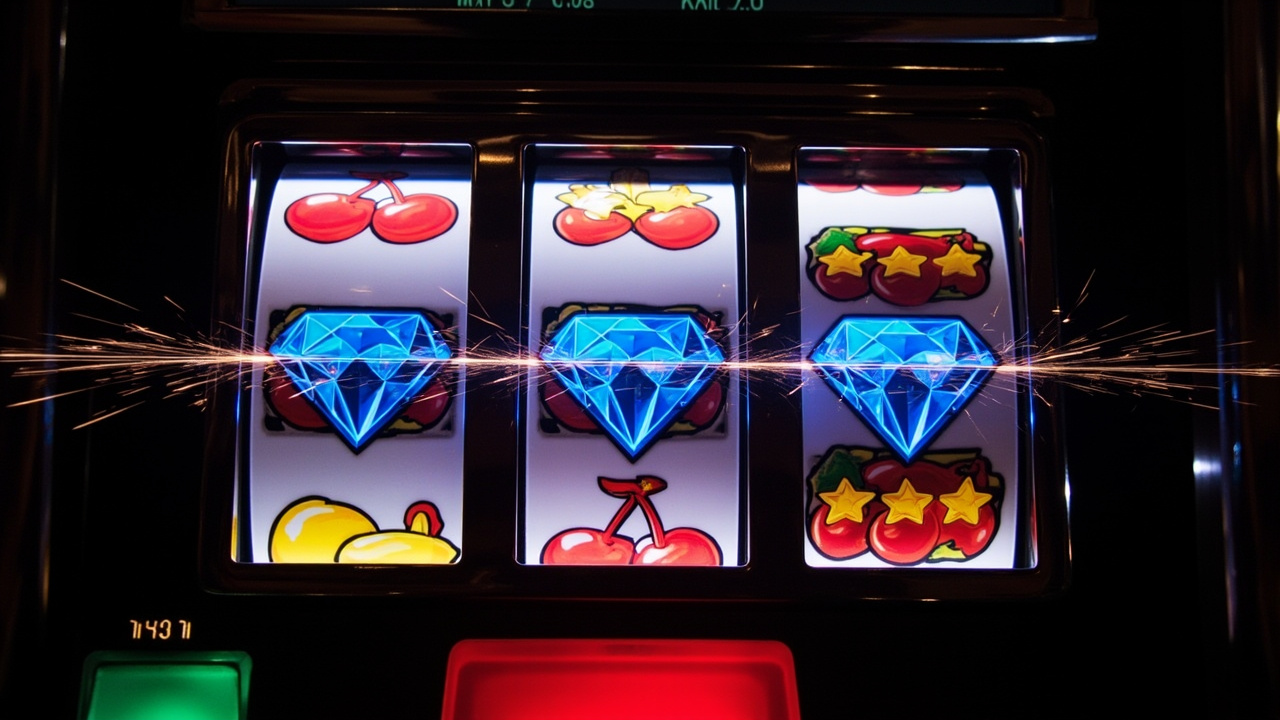
Mobile matters too. A phone lobby that collapses into a wall of tiles is defo worse than one that lets you pin categories and save a shortlist. I have watched payroll-style rosters at Twist and iGaming back-ends where sorting logic was solid on desktop and a mess on smaller screens. If you want a structured reference before you pick, this volatility in slots list lines up the figures by provider.
Then there is harm awareness. A trustworthy catalogue sits beside deposit caps, time-outs, and reality checks. Studies suggest WA has notably lower rates of certain gambling harms than other Australian states, and a chunk of that comes down to venue-level controls and a calmer marketing culture. From Brisbane pubs to Gold Coast clubs, the measured approach should be reflected online too, with lobbies that do not shove high-volatility titles into your face after every session.
A catalogue that surfaces RTP, tags volatility, and keeps a healthy game mix in tidy mobile order gives rtp vs volatility explained a real-world home. Skip the lobbies that bury both numbers and lean on a curated shortlist instead. Filter by provider, pin your favourites, and treat the catalogue like a roster worth reading – your bankroll will thank you, and your sessions will stop feeling like guesswork.
Quick Glossary
- RTP – the long-run percentage a game pays back, calculated across millions of spins.
- Volatility – how lumpy or steady a game’s payout curve is over a session.
- House edge – the built-in cut the casino keeps, the inverse of RTP.
- Hit frequency – how often a spin lands a winning combination, separate from payout size.
- Paytable – the in-game screen listing symbol values, bonus triggers, and feature rules.
Which lobby do you reckon handles RTP and volatility the cleanest? Drop a comment, flick the article to a mate, and tell us which filter you wish every catalogue had.